Safari Animals: What You’ll See, Where, and When (2026)
On a first African safari you can expect elephant, giraffe, zebra, buffalo, antelope and abundant birdlife within days and, in the right reserve, most of the Big Five: lion, leopard, elephant, Cape buffalo and rhino. Cheetah, wild dog and the great wildebeest herds are rarer. Nothing is guaranteed to the day; the reserve and the season set the odds.
The Big Five, explained
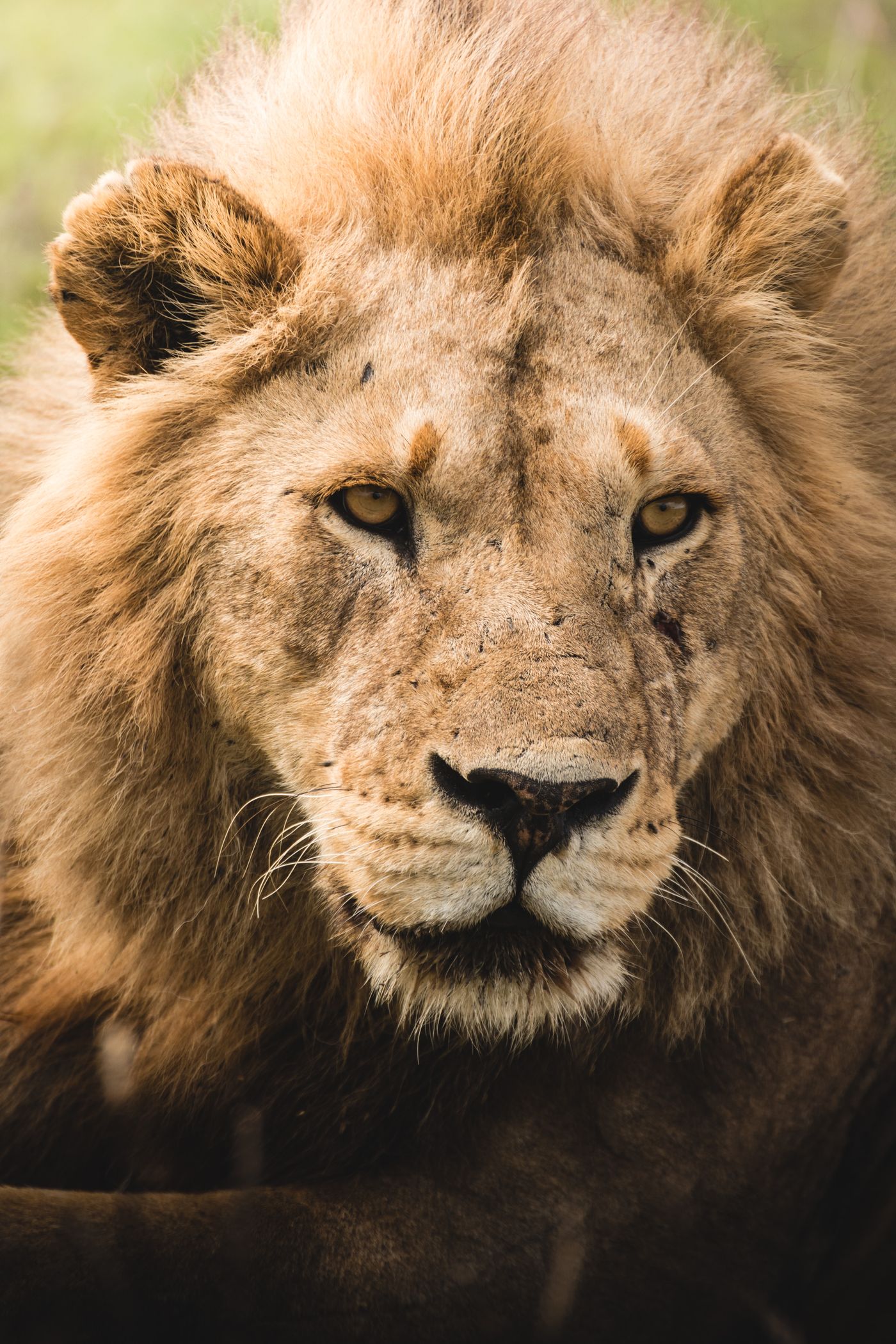
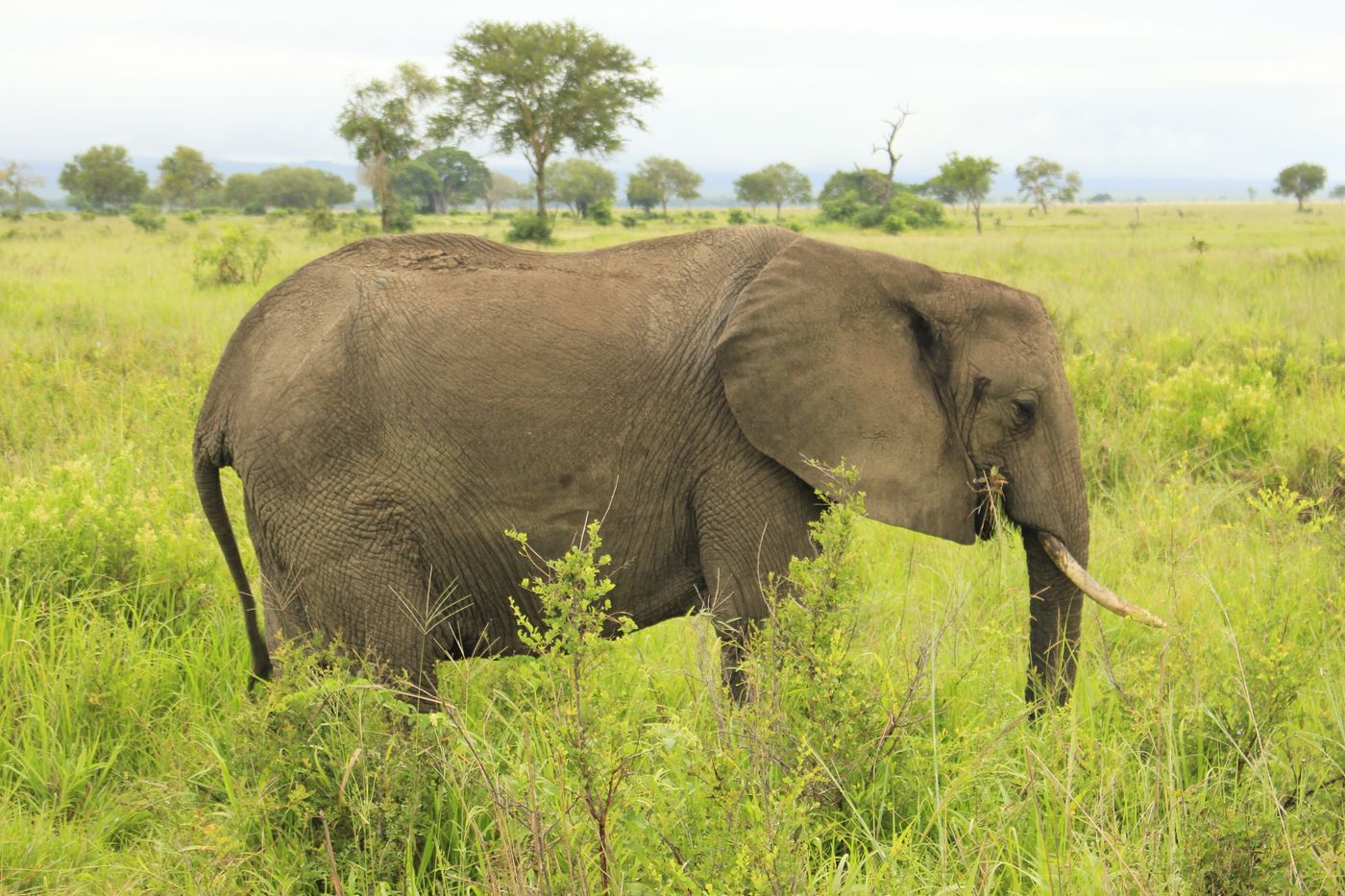
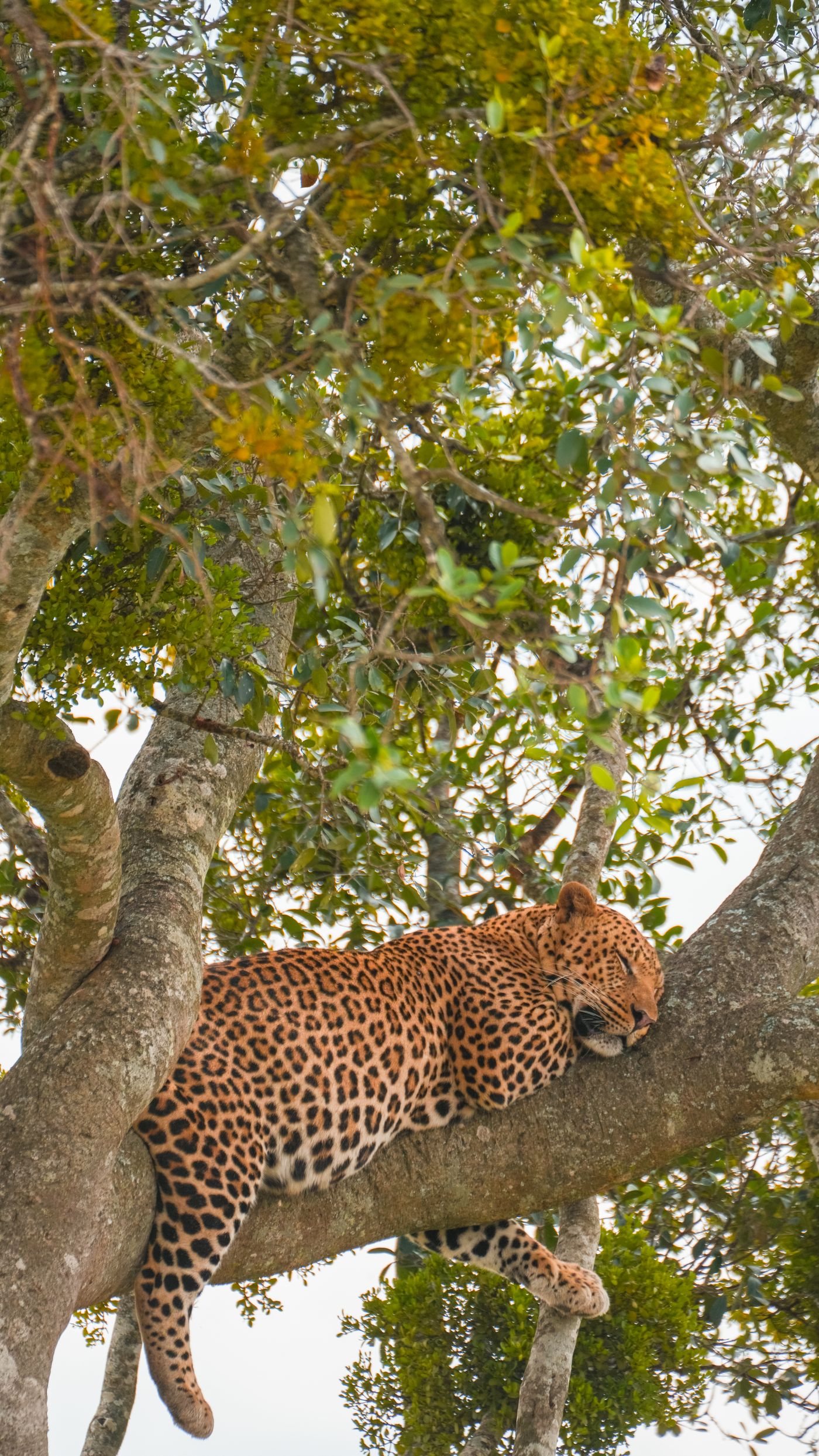
Three of the five are fairly straightforward in the right reserve. Elephant and buffalo travel in herds and are hard to miss. Lion are social and often visible by day, and are seen on most multi-day itineraries in Kenya, Tanzania and South Africa. The two that decide whether you complete the set are the leopard, which is solitary, nocturnal and well camouflaged, and the rhino, whose numbers have been cut by poaching to the point that some reserves have none.
Where the term came from
“Big Five” is not about size. A buffalo is far smaller than a giraffe or a hippo, and neither of those is on the list. The phrase was coined by big-game hunters for the five animals considered the most difficult and most dangerous to hunt on foot: a wounded buffalo circling back on its pursuer, a charging elephant, a leopard breaking from cover.
The list has since become a viewing checklist, the animals travellers hope to photograph. Several of the five, the rhino above all, are now the species whose protection funds anti-poaching work across the reserves that hold them.
Beyond the Big Five
Five species undersell what a safari delivers. Two more predators make up what many guides call the Super Seven:
- Cheetah. The fastest land animal, best seen on the open plains of the Serengeti and Masai Mara, where it hunts by day.
- African wild dog. Africa’s most endangered large carnivore and one of its most efficient pack hunters. The Okavango Delta and northern Botswana are the strongholds.
Then there are the animals you will see most of: giraffe, hippo, zebra, wildebeest, warthog and a long list of antelope, from impala, kudu and eland to the tiny dik-dik. Primates run from baboons and vervet monkeys to the mountain gorillas of Rwanda and Uganda. The birdlife surprises first-timers: lilac-breasted rollers, fish eagles, ostrich, secretary birds and, where there is water, flamingos in their thousands. A morning drive without a big cat is rarely a morning without wildlife.
| Region | Lion | Leopard | Elephant | Rhino | Wild dog | Gorilla |
|---|---|---|---|---|---|---|
| Serengeti, Tanzania | Best | Yes | Yes | – | – | – |
| Okavango, Botswana | Yes | Best | Yes | Yes | Best | – |
| Amboseli, Kenya | Yes | Yes | Best | – | – | – |
| Sabi Sand, South Africa | Yes | Best | Yes | Yes | Yes | – |
| Etosha, Namibia | Yes | Yes | Yes | Best | – | – |
| Volcanoes and Bwindi | – | – | – | – | – | Best |
The Great Migration
It is the largest overland movement of animals on Earth, and it follows grazing and water, not a timetable.
- January to MarchCalving on the Ndutu and southern Serengeti plains, peaking in February. Around half a million calves are born within a few weeks, which draws lion, cheetah and hyena. Far less crowded than the crossings. Map.
- April to JuneThe herds move north-west through the central and western Serengeti.
- July to OctoberMara River crossings in the northern Serengeti and Kenya’s Masai Mara, best in August and September. The busiest and most expensive time to travel. Map.
- November to DecemberThe return south towards the short-grass plains.
A crossing can happen at dawn or not for three days, and the calving can start a fortnight early. Good camps track the herds daily and reposition, but no operator can guarantee a crossing on a given date. Allow enough nights in the right region for several chances. The Tanzania safari guide sets out where the herds are through the year.
A planner for the animals you want
Which reserve you choose matters far more than luck, and matching reserve to species and month is what a safari planner does.

Photo: Extraordinary Journeys.

Extraordinary Journeys
Extraordinary Journeys plans private safaris in 16 African countries, which covers every region on this page. A specialist starts from the animals you most want to see and the month you can travel, then chooses the reserve and camps to match. The company was founded by a mother and daughter, and many of its planners are parents who travel with their own children, it says, which is why it is often chosen for a first family safari.
Start from the animal
- The migration and big catsTanzania: Serengeti calving and river crossingsIts Tanzania trips →
- Leopard and the full Big FiveSouth Africa: Sabi Sand and Greater KrugerIts South Africa trips →
- Wild dog and waterBotswana: the Okavango DeltaIts Botswana trips →
- Gorillas with a Mara safariKenya and Uganda, 16 daysfrom US$30,000 pp
- A first safari with childrenFamily trip to Kenya, 11 daysfrom US$10,000 pp
Prices are Extraordinary Journeys’ own published starting prices, read on its site on 6 October 2026. Read the review first.
What you see, by region
Where you go decides which animals lead your sightings, because habitat differs so much between reserves. The which-country guide matches the trade-offs to your priorities.
| Region | Headline wildlife | Why it stands out |
|---|---|---|
| Okavango Delta, Botswana | Leopard, wild dog, water-adapted game | A flooded inland delta with big cats and Africa’s best wild-dog packs, reached by mokoro and small aircraft. |
| Serengeti, Tanzania | Migration herds, big cats | The migration and Africa’s largest lion population across open plains. |
| Amboseli, Kenya | Big elephant herds | Big-tusked elephant families beneath Mount Kilimanjaro. |
| Kruger and Sabi Sand, South Africa | Leopard, full Big Five | The best leopard viewing in Africa, and private reserves in malaria-free areas elsewhere in the country. |
| Etosha, Namibia | Desert-adapted game, rhino | Floodlit waterholes bring rhino in after dark beside a vast salt pan. |
| Rwanda and Uganda | Mountain gorillas | Habituated mountain gorilla families trekked on foot in cloud forest. |
Which country first? Kenya, Tanzania and South Africa each win on different measures: migration, value, leopard, ease with children. See Kenya vs Tanzania vs South Africa and the Botswana guide.
Best season for wildlife
| Season | What you see | Trade-off |
|---|---|---|
| Dry season, roughly June to October | Game gathers at shrinking waterholes and rivers, and thin vegetation makes big cats easier to spot. | Highest prices and busiest camps. It overlaps the Mara crossings. |
| Green season, roughly November to April | Newborn animals, migratory and breeding birds, green landscapes. Calving time in the southern Serengeti. | Taller grass and dispersed water make some animals harder to find. Occasional rain. |
For a first safari built around big game, the dry season is the safer choice. Photographers, birders and anyone after the calving or lower rates do well in the green season. The guide to where safaris happen maps the habitats behind these patterns, and what a Kenya safari costs shows how far the season moves the price.
What is not guaranteed
A safari is wild-animal viewing, not a zoo. No reputable operator promises specific sightings. Rhino may be absent from a reserve entirely. Leopard can go unseen across a good week. A river crossing may not happen while you watch.
What you can do is improve the odds. Choose a reserve known for your priority species, travel in the right season, stay four nights or more in one area, and go with guides who know the ground. If an operator guarantees the Big Five, treat it as a warning sign and read how to verify a safari operator.
Our safari partner
Know which animals you want to see? Tell Extraordinary Journeys the species and the month, and a specialist will match the reserve and camps.
Enquire with Extraordinary Journeys →Read the review first →Extraordinary Journeys’ score is set on the same published criteria as every safari planner’s.