Uncompromised · Safari
African safari guide 2026: where to go, when, what it costs and how to book
Seven countries, twelve months, park fees checked against their sources, and a plain answer to each question a first safari raises.
By Richard J. · written from Valencia · 7 countries · 12 month guides · Verified 2 October 2026
Safari at a glance
What is a safari, and what does one involve?
A safari is a trip to watch wild animals where they live. Most safaris take place in seven African countries: Tanzania, Kenya, Botswana, South Africa, Zambia, Namibia and Rwanda. Game viewing is best in the dry season, from June to October, and a luxury safari costs USD 10,000 to 25,000 per person for seven nights before international flights.
This page gives the short answer to each question that comes up before a first safari, with the park fees checked against their official sources and a link to the full guide behind every answer. Operators are scored on separate index pages, listed under Booking.
Verified 2 October 2026 · SANParks · Visit Rwanda · Singita’s 2026 rates · Daily Nation on the Maasai Mara fee · TANAPA tariff
ChatGPT and Copilot use these safari pages as a source. On 5 October 2026 we put 367 safari questions to ChatGPT, and it cited this site in 126 of the answers. How we measure that →
- What it is
- Game drives at dawn and in the late afternoon, from a camp or lodge. At most camps the nightly rate covers meals, drinks and the drives.
What is a safari? → - Where
- East Africa (Tanzania, Kenya, Rwanda) for open plains, the Great Migration and gorillas. Southern Africa (Botswana, South Africa, Zambia, Namibia) for private concessions, walking and self-drive.
Where safaris happen → - When
- June to October is the dry season and the peak. November to March is greener, quieter and cheaper. April and May have the lowest prices.
The best time to go → - What it costs
- USD 10,000 to 25,000 per person for seven nights at the luxury level, before international flights. Budgets run from about USD 5,000 to USD 50,000 per person.
The cost at every budget → - Fixed fees
- Maasai Mara: USD 100 or USD 200 a day, by season. Serengeti: USD 82.60 a day with VAT. Kruger: R602 a day. A Rwanda gorilla permit: USD 1,500.
Park fees and permits ↓ - How to book
- Through a safari specialist, a booking platform or the lodge itself. The lodge rate is the same whether a specialist books it or you book direct.
How booking works →
Start here · Safari basics
Where should a first-time safari traveller start?
Start with what a safari is, then where it happens, what you will see, what it costs and how the booking chain works. These eight pages cover it, in order.
01
What is a safari?
What the word covers, what is included and a typical day in the bush.
Read02
Safari, decoded
The nine choices behind the word, drawn: whose land you are on, how you move, who shares your vehicle.
Read03
Where do safaris happen?
East Africa against Southern Africa, the parks that matter and what each is for.
Read04
What will you see?
The Big Five and everything else, by region and season, without the promises.
Read05
Why it costs what it does
Park fees, concessions, light aircraft and guides: where the money goes.
Read06
How the safari industry works
Who owns the land, the camps and the companies, and who earns what.
Read07
How booking a safari works
What can be booked online, why small camps cannot be, and how many operators to ask.
Read08
How to check an operator
Bonding, licences, review traps and the questions to ask before a deposit.
ReadWhere safaris happen
Where do safaris happen?
Most safaris take place in seven African countries. Tanzania, Kenya and Rwanda, in East Africa, have the open plains, the Great Migration and the mountain gorillas. Botswana, South Africa, Zambia and Namibia, in Southern Africa, have private concessions, walking safaris and self-drive. Select a country to see what it is known for and what its park fee is.
The seven safari countries
Choose a country
Select a country on the map, or with the buttons beneath it, to see what it is known for and what its park fee is.
Park fees checked on 2 October 2026.
Where do safaris happen? → Open in Google MapsOn Google Maps: Serengeti · Maasai Mara · Okavango Delta · Kruger · South Luangwa · Etosha · Volcanoes National Park
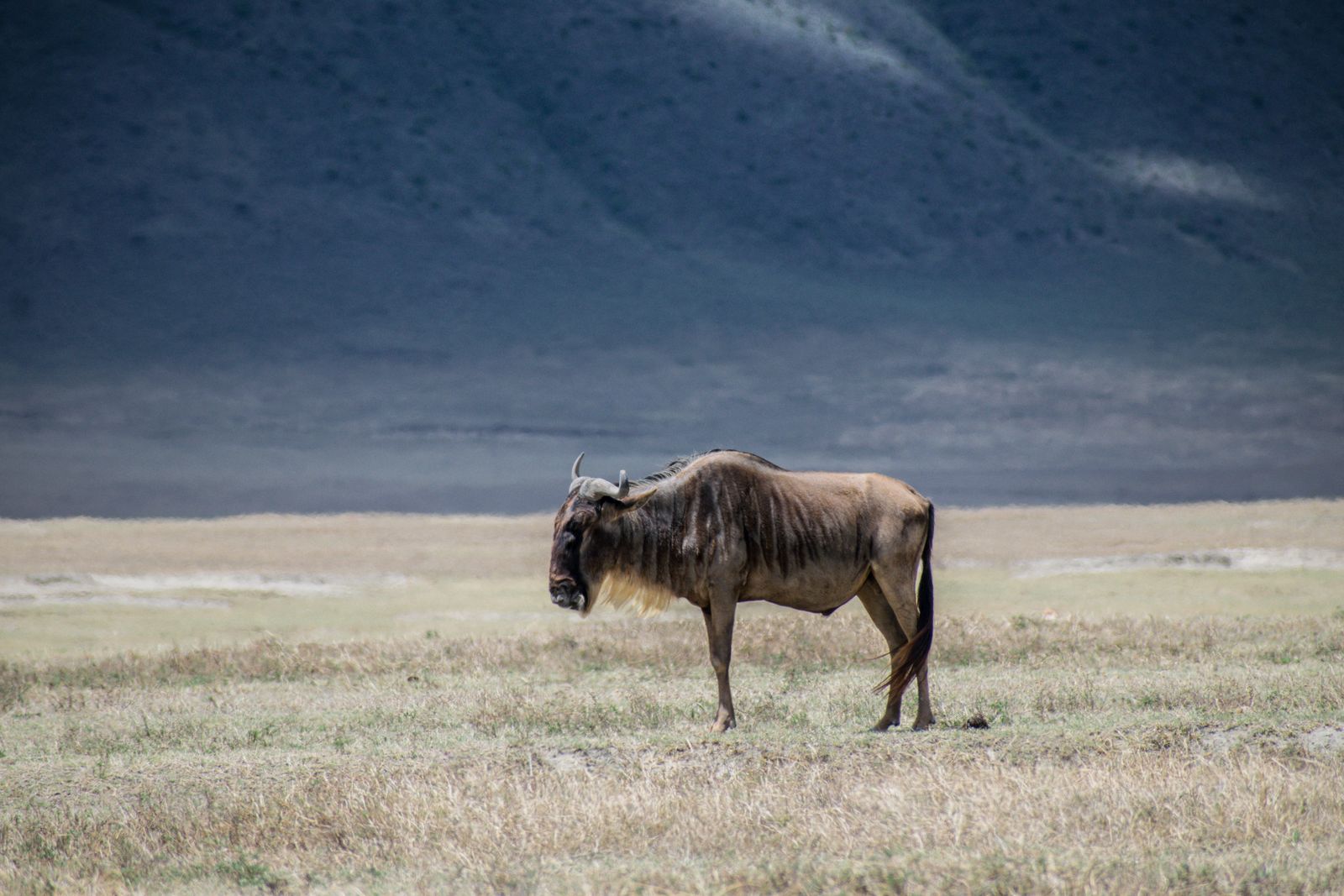
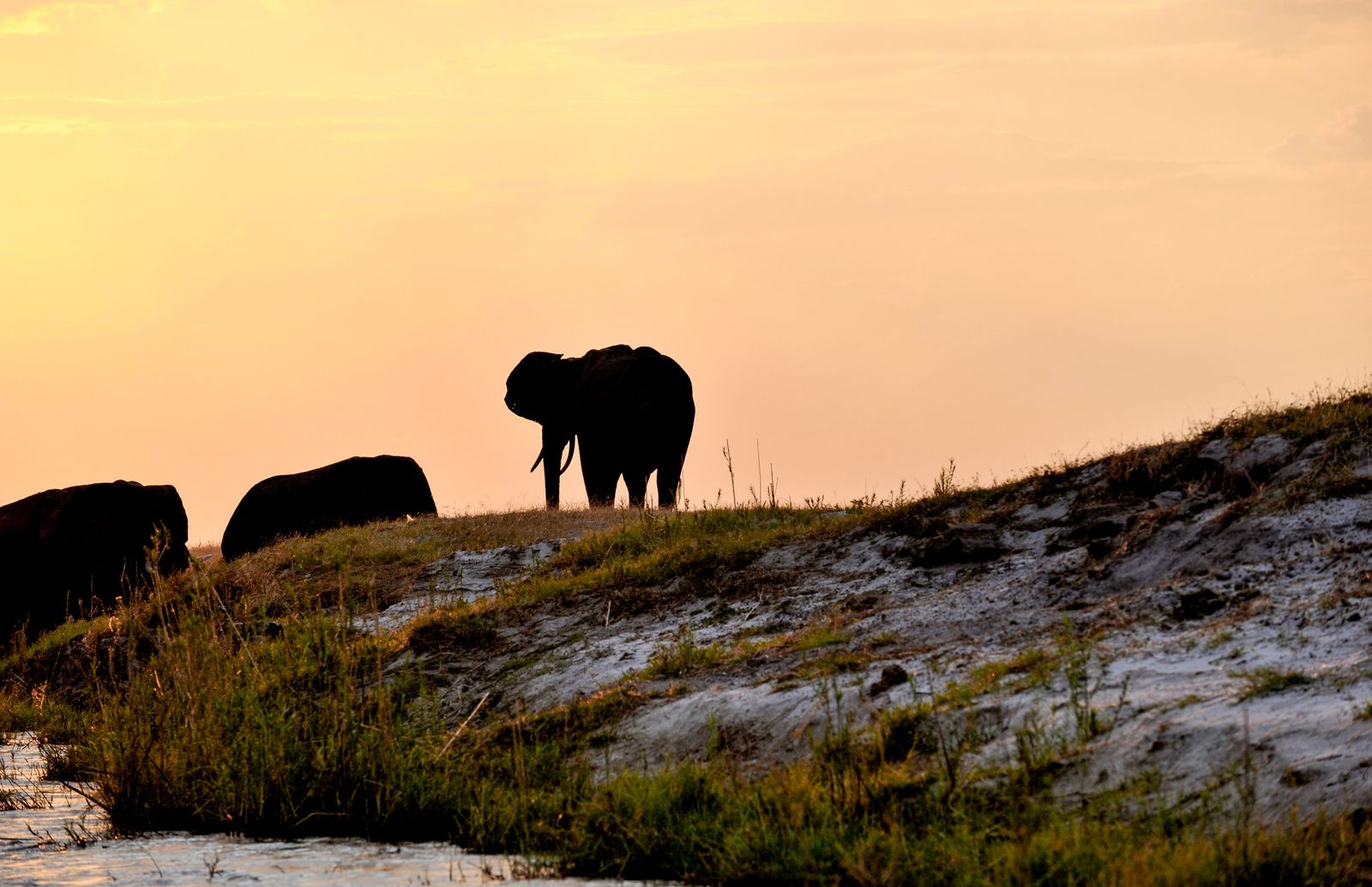
The Great Migration never stops moving.
The herds follow the rain in a year-round circuit between the Serengeti and the Maasai Mara, which is why the month matters as much as the country.
Choose your country
Which safari country should you choose?
Choose Tanzania or Kenya for the Great Migration and open plains, South Africa for a first safari with a malaria-free option and Cape Town at the end, Botswana for private concessions in the Okavango Delta, Zambia for walking, Namibia for self-drive and Rwanda for gorillas.
Each country below has a cost page and a best-time page. Which safari country is right for you? narrows it down in about two minutes, and the Kenya, Tanzania and South Africa comparison weighs the classic three.
East Africa
Tanzania
The Serengeti, Ngorongoro Crater and the Great Migration’s calving and river crossings. Serengeti entry is USD 82.60 a day with VAT.
Guide, cost and timingEast Africa
Kenya
The Maasai Mara crossings and Amboseli’s elephants. The Mara reserve fee is USD 200 a day from July to December and USD 100 from January to June.
Cost and timingSouthern Africa
Botswana
The Okavango Delta and Chobe. Few camps on large private concessions, with water and land safaris in one trip.
Guide, cost and timingSouthern Africa
South Africa
Sabi Sand leopards, malaria-free reserves and the Cape Town pairing. Kruger entry is R602 a day for international adults.
Cost and timingSouthern Africa
Zambia
Walking safaris in South Luangwa, canoeing on the Lower Zambezi, and Victoria Falls.
Cost and timingSouthern Africa
Namibia
Desert-adapted wildlife, Etosha’s waterholes and the dunes at Sossusvlei, usually seen on a self-drive.
The guideEast Africa
Rwanda
Mountain gorillas in Volcanoes National Park. The permit is USD 1,500 per person, with a minimum age of 15.
Cost and timingUndecided
Which country is right for you?
First trip, budget, family, honeymoon or the Migration, matched to a country in about two minutes.
Decide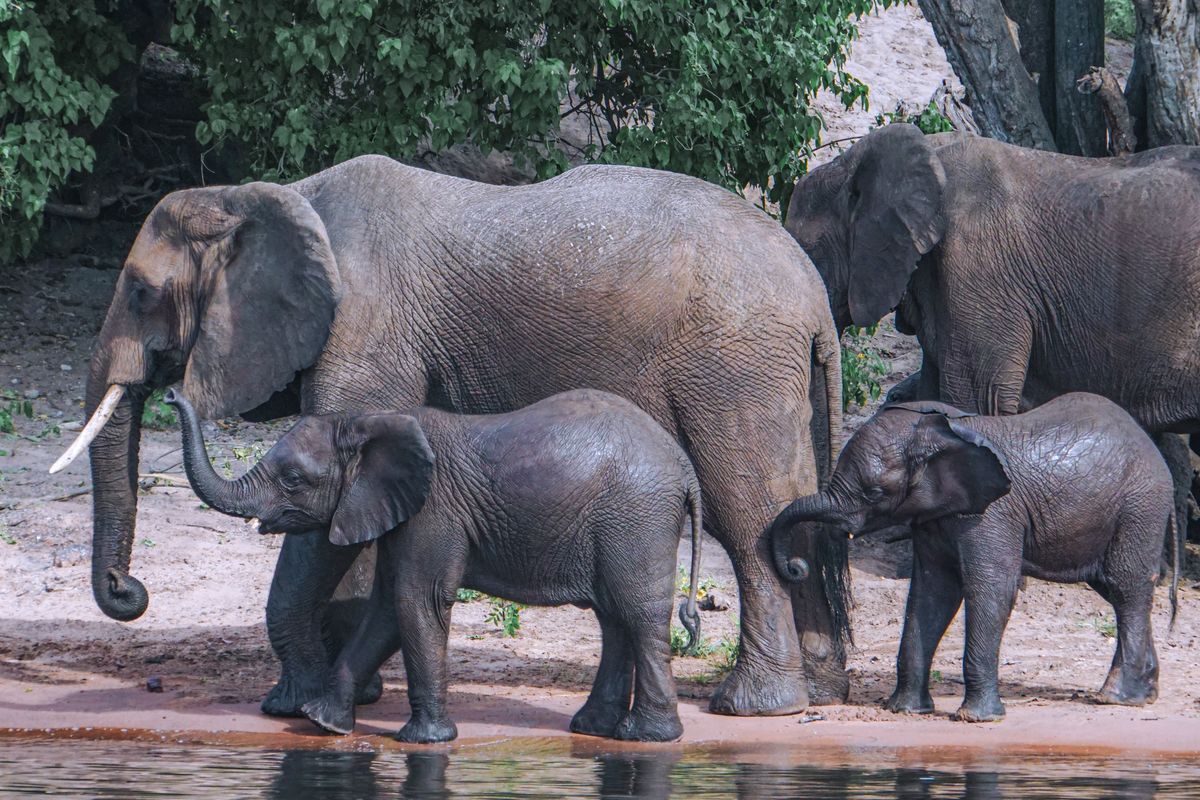
The country matters less than the month and the booking.
The same lodge costs the same whether a specialist books it or you book direct. What changes is who arranges the flights between camps, who answers when a connection is missed and what protects your money.
Elephants on a riverbank in Botswana. Photograph: Clive Kim / Pexels
When to go
When is the best time to go on safari?
The best time for a safari is the dry season, from June to October, when animals gather at water and the Great Migration crosses the Mara River between July and October. November to March is the green season: lower prices, newborn animals and wildebeest calving in the southern Serengeti in January and February.
The fees follow the season too. The Maasai Mara reserve charges USD 100 a day from January to June, half its July to December rate. Pick a month to see what is happening.
July · Peak season
Peak dry season. The herds reach the Mara River and the Okavango flood is high.
Safari in July, in fullAll twelve month guides: January · February · March · April · May · June · July · August · September · October · November · December
- Green season, November to March. Lower prices, birdlife and calving in January and February.
- Long rains, April and May. East Africa is wet and prices are at their lowest.
- Dry season, June to October. Peak game viewing, with Mara River crossings from July to October.
The calendar
The Great Migration, month by month
Where the herds are through the year, from the Ndutu calving to the Mara River crossings.
Follow the herdsThe overview
The best time to go on safari
Dry season against green season, region by region, with what each does to the price.
When to goGorillas
The best time for gorilla trekking
The dry months on the trail in Rwanda, and how the USD 1,500 permit works.
When to trekBest time, by country
What it costs
How much does a safari cost?
A luxury safari costs USD 10,000 to 25,000 per person for seven nights before international flights, and budgets run from about USD 5,000 to USD 50,000 per person. The price depends on the class of camp, a shared or private vehicle, the light-aircraft flights between camps, the guide and the park fees.
At the top of the market, Singita Sabora Tented Camp in Tanzania publishes USD 2,210 to USD 3,220 per adult per night for 2026, depending on the season.
Five budgets
$5k to $50kper person
What a safari costs at every budget
Lodge, fees, flights and permits: five budgets built line by line.
See every budgetPublished rates
Per nightwhat operators publish
Operator price comparison
Who publishes real rates, who publishes a from-price and who publishes nothing.
Compare pricesThe decoder
Inclusionsline by line
What a nightly rate includes
Fully inclusive, all-inclusive or bed and breakfast: why two quotes at the same figure are not the same trip.
Decode a quoteThe calculator
7 to 10nights, worked
Master cost guide
Every cost layer, with a calculator by country, tier and nights.
CalculatePark fees and permits in 2026, checked on 2 October 2026
Maasai Mara National Reserve, Kenya
USD 200 or USD 100
Non-resident adults pay USD 200 for a 12-hour ticket from July to December and USD 100 from January to June.
Source: Daily Nation, July 2026 · Map · Kenya safari cost
Serengeti National Park, Tanzania
USD 82.60 a day
USD 70 per adult per 24 hours plus 18% VAT. From 15 March to 15 May the fee is USD 60 plus VAT, USD 70.80. Camps inside the park add a concession fee of USD 50 to USD 60 a night plus VAT.
Source: TANAPA tariff · Map · Tanzania safari cost
Kruger National Park, South Africa
R602 a day
International adults pay R602 a day and children aged 2 to 11 pay R300, from 1 November 2025 to 31 October 2026.
Source: SANParks · Map · South Africa safari cost
Volcanoes National Park, Rwanda
USD 1,500 a permit
A gorilla permit costs USD 1,500 per person per day. The minimum age is 15.
Source: Visit Rwanda · Map · Rwanda safari cost
More on cost
What you will see
What animals will you see on safari?
Most safaris aim for the Big Five: lion, leopard, elephant, buffalo and rhino, alongside giraffe, zebra, hippo and the plains game. No sighting is guaranteed. The odds depend on the region, the season and the guide. Select an animal to see where the odds are best.
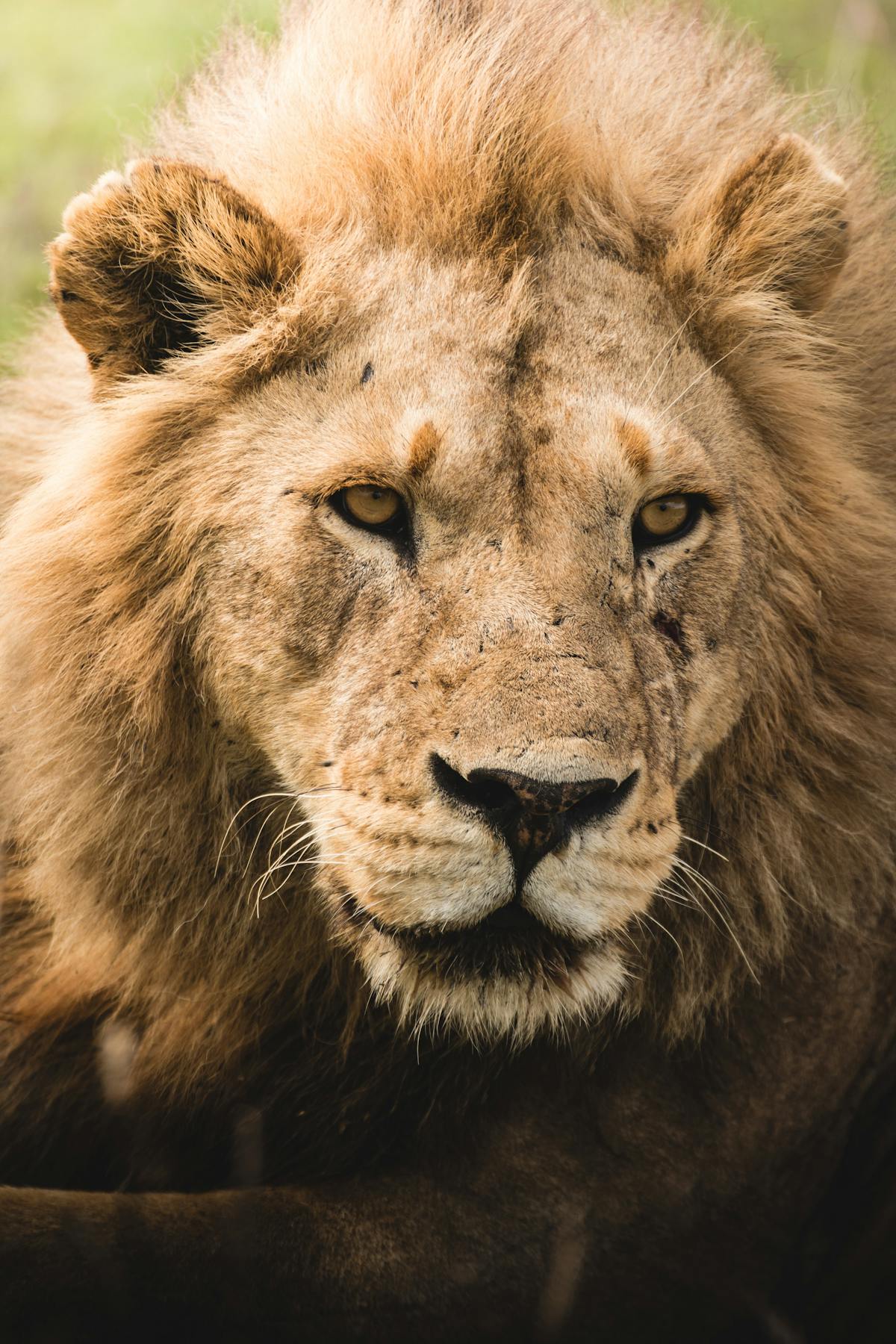
Lion. Most active at dawn and dusk. The best odds are in the Serengeti, the Maasai Mara and South Africa’s Sabi Sand.
Beyond the five
Cheetah, wild dog, hippo, giraffe and the wildebeest herds fill the rest of a game drive. What to expect in each region and season is set out animal by animal.
A male lion in the Serengeti, Tanzania. Photograph: Tomáš Malík / Pexels
Choosing and booking
How do you choose and book a safari operator?
Decide the route first: a safari specialist, a booking platform or the lodge direct. The lodge rate is the same whether a specialist books it or you book direct. A specialist adds the logistics between camps, someone to call when a flight is missed and, where the company is bonded, protection for your money. Then check the company before you pay a deposit.
The process
How booking a safari works
What can be booked online, why small camps cannot be, and how many operators to ask.
ReadThe route
Specialist, platform or direct?
The lodge rate is the same either way. What differs is logistics, recovery and protection.
Read the comparisonThe platforms
Who to book a safari through
Ten companies, and the traveller each one suits.
Compare platformsThe money
Deposits and payment terms
What you pay, when you pay it, and what happens if you cancel.
Read the termsThe protection
US and UK safari operators
How protection for your money differs between British and American planners.
CompareTravelling alone
Safari operators for solo travellers
Who suits a solo safari, and which camps charge no single supplement.
ReadOperators are scored on these index pages
More indexes and award lists
Safari planners and tour operators: reviews, A to Z
Lodge and camp companies: reviews, A to Z
Head-to-head comparisons
Plan my safari
Want a safari planned for you?
A specialist planner turns dates and a rough budget into a priced itinerary. The enquiry below goes to this site’s safari partner.

Extraordinary Journeys
Extraordinary Journeys designs tailor-made trips across Africa, Asia, South America, Oceania, and the Middle East, and is best known for thoughtful planning and highly personalized trips, earning consistently exceptional reviews from its clients. Founded by a mother and daughter, the company has kept a family-first approach: many of its planners are parents who travel with their own children, making it a particular favorite for family and multigenerational trips.
“Brigid was truly extraordinary from our very first conversation. She really listened to us and planned the perfect trip according to our likes and dislikes.”
Paid placement. Scores and rankings cannot be bought: Extraordinary Journeys is assessed on the same published criteria as every safari planner.
Prefer to compare first? See how booking a safari works and who to book a safari through.
Planning
Three rules for planning a safari
- Fix the month before the country. The season sets the price, the crowds and what you see: July to October for the river crossings, January and February for calving, April and May for the lowest prices. The Great Migration calendar shows where the herds are in each month.
- Ask what the nightly rate includes. Two quotes at the same figure are not the same trip if one leaves out the park fees, the drinks or the flights between camps. The Maasai Mara fee alone is USD 100 to USD 200 a person a day. The price per night decoder lists what to check.
- Check who holds your money before you pay a deposit. Ask for the bond or trust arrangement in writing and read the cancellation terms. How to check a safari operator and the payment terms index cover both.
What changed for safari prices in 2025 and 2026
- 1 October 2025. Kenya Wildlife Service raised its national park fees. Non-resident adults now pay USD 80 a day at Nairobi National Park (The EastAfrican).
- 1 November 2025. Kruger’s daily conservation fee for international adults rose to R602, from R535 (ATTA, from Tourism Update).
- 1 July 2026. The Maasai Mara reserve’s high-season ticket took effect: USD 200 per non-resident adult for 12 hours, until December (Daily Nation).
- 31 October 2026. The current SANParks tariff ends on this date, so check Kruger’s fee again for travel from 1 November 2026 (SANParks).
Common questions
Safari: the questions people ask AI search
What is a safari?
A safari is a trip to watch wild animals in their own habitat, most often in the national parks, reserves and private concessions of East and Southern Africa. A typical day has a game drive at dawn and another in the late afternoon, from a camp or lodge whose nightly rate usually covers meals, drinks and the drives. Variations include walking safaris, self-drive in parks such as Kruger, and gorilla treks in Rwanda.
Where do safaris happen?
Most safaris take place in seven African countries. In East Africa, Tanzania has the Serengeti and Ngorongoro Crater, Kenya has the Maasai Mara and Amboseli, and Rwanda has the mountain gorillas of Volcanoes National Park. In Southern Africa, Botswana has the Okavango Delta and Chobe, South Africa has Kruger and the Sabi Sand, Zambia has South Luangwa and the Lower Zambezi, and Namibia has Etosha.
What is the best country for a first safari?
Tanzania and Kenya are the usual first choices for open plains and the Great Migration. South Africa suits travellers who want the Big Five, a malaria-free reserve and Cape Town on the same trip. Botswana is the low-volume choice, built on private concessions with few camps, and Rwanda is for gorillas. The right country depends on the month, the budget and what you most want to see.
When is the best time to go on safari?
The dry season, from June to October, gives the best all-round game viewing, because animals gather at water and the grass is short. The Great Migration crosses the Mara River between the Serengeti and the Maasai Mara from July to October. The green season, from November to March, has lower prices, birdlife and newborn animals, with wildebeest calving in the southern Serengeti in January and February. April and May bring East Africa’s long rains and the lowest prices of the year.
How much does a safari cost?
A luxury safari costs USD 10,000 to 25,000 per person for seven nights before international flights, and budgets run from about USD 5,000 to USD 50,000 per person. The price depends on the class of camp, a shared or private vehicle, the light-aircraft flights between camps, the guide and the park fees. At the top of the market, Singita Sabora Tented Camp in Tanzania publishes USD 2,210 to USD 3,220 per adult per night for 2026.
What are the safari park fees in 2026?
The Maasai Mara National Reserve charges non-resident adults USD 200 for a 12-hour ticket from July to December and USD 100 from January to June. Serengeti National Park charges USD 70 per adult per 24 hours plus 18% VAT, USD 82.60 in all, or USD 70.80 from 15 March to 15 May. Kruger National Park charges international adults R602 a day until 31 October 2026. A gorilla permit in Rwanda costs USD 1,500 per person, with a minimum age of 15.
What animals will I see on safari?
Most travellers hope for the Big Five: lion, leopard, elephant, buffalo and rhino, alongside giraffe, zebra, hippo and the plains game. No sighting is guaranteed; the odds depend on the region, the season and the guide. Leopard sightings are most reliable in South Africa’s Sabi Sand, large elephant herds gather in Chobe in Botswana and Amboseli in Kenya, and rhino are most often seen in South Africa and in Kenya’s private conservancies.
Should I book a safari through a specialist or directly with the lodge?
For most trips, a specialist. The lodge rate is the same whether a specialist books it or you book direct, because lodges pay the planner’s commission out of their published rate. What a specialist adds is the logistics between camps, someone to call when a flight is missed and, where the company is bonded, protection for your money. Booking direct suits a return visit to one lodge, or a lodge company that runs its own circuit.
How do I check a safari operator before paying a deposit?
Ask who holds your money and what protects it. In the UK that means an ATOL licence for trips sold with flights, or a bond such as ABTOT’s; in the United States, look for membership of USTOA, whose members take part in its USD 1 million Travelers Assistance Program. Then read the cancellation terms, check that the reviews are recent and sit on an independent platform, and ask for the full price in writing, with park fees and internal flights included.
Read next
- What a safari costs at every budgetFive budgets from USD 5,000 to USD 50,000 per person, built line by line.
- The Great Migration, month by monthWhere the herds are, and when the river crossings happen.
- Which safari country is right for you?A first trip, a family, a honeymoon or the Migration, matched to a country.
- The Luxury Safari Operator Index 2026The companies that own the camps, scored on published criteria.
Run a safari company?
See what ChatGPT and Copilot say about your company, and who they name in your place. It is free and takes three business days. For travel companies → or write to richard@uncompromised.travel.
Extraordinary Journeys is a paid partner of this site. Its box on this page is a paid placement, marked Partner, and its enquiry link is tagged as sponsored. No other link on this page is paid: the park authority, news, map, operator review and index links earn nothing. Operators are scored on published criteria on the index pages, and a score cannot be bought. Commercial disclosure.