How Much Does a Kenya Safari Cost in 2026?
A Kenya safari costs roughly US$200–600 (£160–£500) per person per night at mid-range camps, US$800–2,500 at luxury lodges and US$3,000 or more at the top Mara conservancy camps. A seven-night luxury trip lands at about US$8,000–14,000 per person, excluding international flights. Park fees, flights between camps and tips sit on top of the nightly rate, and the season moves the total by a fifth or more.
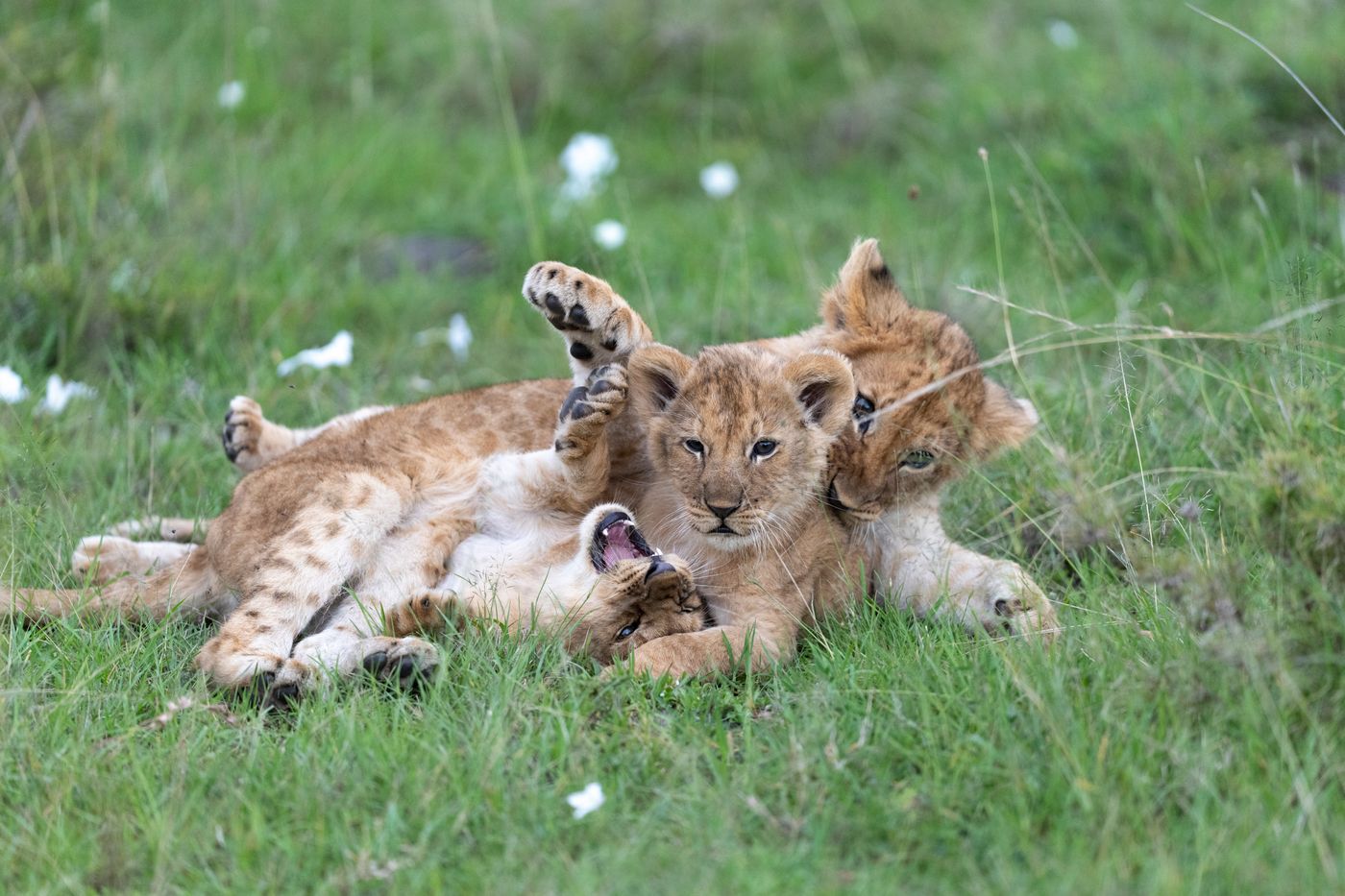
The three price tiers, per person per night
- Mid-range (US$200–600): permanent tented camps and small lodges with shared game-drive vehicles and good guiding. The entry point for a comfortable safari.
- Luxury (US$800–2,500): where most readers of this site book. Governors’ Camp, Mara Plains, Angama Mara and Sanctuary Olonana sit here, with private or lightly shared vehicles, senior guides and conservancy access.
- Ultra-luxury (US$3,000+): exclusive-use villas and the flagship conservancy camps such as Bateleur, Mahali Mzuri and ol Donyo Lodge, with a private guide and vehicle and a helicopter on call. There is no real ceiling.
Per person, per night, fully inclusive, sharing a double. Ranges compiled in July 2026 from published Kenyan lodge rates.
One planner’s published Kenya prices
A nightly rate only becomes a trip price once a planner has added flights between camps, fees and transfers. Extraordinary Journeys prints a starting price on each of its Kenya itineraries, so the tiers above can be checked against trips that are on sale.

Photo: Extraordinary Journeys.
Extraordinary Journeys
Extraordinary Journeys plans private Kenya safaris and prints a starting price on each itinerary. The company was founded by a mother and daughter: Marcia Gordon made Kenya her home fifty years ago, and Elizabeth was born there. Its ten-day Extraordinary Kenya safari spends one night in Nairobi, two at Ol Pejeta Safari Cottages in Laikipia, three at Instinct of the Mara in the Olderkesi Conservancy and three at Offbeat Ndoto in Mara North.
Kenya itineraries, as priced on its site on 6 October 2026
- Family trip to KenyaA safari planned for young children11 days · from US$10,000 pp
- Extraordinary Kenya safariLaikipia and two Mara conservancies10 days · from US$12,000 pp
- Barefoot luxury Kenya safariConservation-led camps9 days · from US$16,000 pp
- Multi-generational private safari in KenyaFor grandparents, parents and children together14 days · from US$17,000 pp
Prices are Extraordinary Journeys’ own published starting prices per person; ask what each includes. Read the review first.
Park and conservancy fees
Fees are usually bundled into a lodge or operator quote, but the two systems price differently. The Maasai Mara National Reserve (map) is run by Narok County, not by the national parks service; the private conservancies that ring it are leased from Maasai landowners.
| Area | Non-resident rate | Notes |
|---|---|---|
| Maasai Mara Reserve, peak (Jul–Dec) | US$200 pp a day | Set by Narok County. A 12-hour ticket, roughly 6am–6pm; overstaying triggers a second day’s fee. |
| Maasai Mara Reserve, low (Jan–Jun) | US$100 pp a day | Same 12-hour ticket. The biggest single reason green-season trips cost less. |
| Mara private conservancies | about US$80–150 pp a night | Billed through the camp, not at a gate. Covers Mara North, Naboisho, Olare Motorogi, Ol Kinyei and others, all of which cap vehicle numbers. |
| Amboseli National Park | about US$90 for 24 hours* | A gazetted increase from US$60, but a High Court order in October 2025 suspended enforcement. Confirm the rate before travel. |
| Other KWS premium parks | about US$60–90 a day | Lake Nakuru, Tsavo, Nairobi National Park. Paid through the KWSPay and eCitizen system; no cash at the gate. |
*Confirm Amboseli before you go. Kenya Wildlife Service gazetted a higher tariff for Amboseli and the other premium parks for 2025–26, but the Kenya Tourism Federation obtained a court suspension in October 2025. The KWSPay portal has at times shown the new rates while the case runs. Check the Kenya Wildlife Service tariff, or have your operator confirm in writing, before you budget for Amboseli.
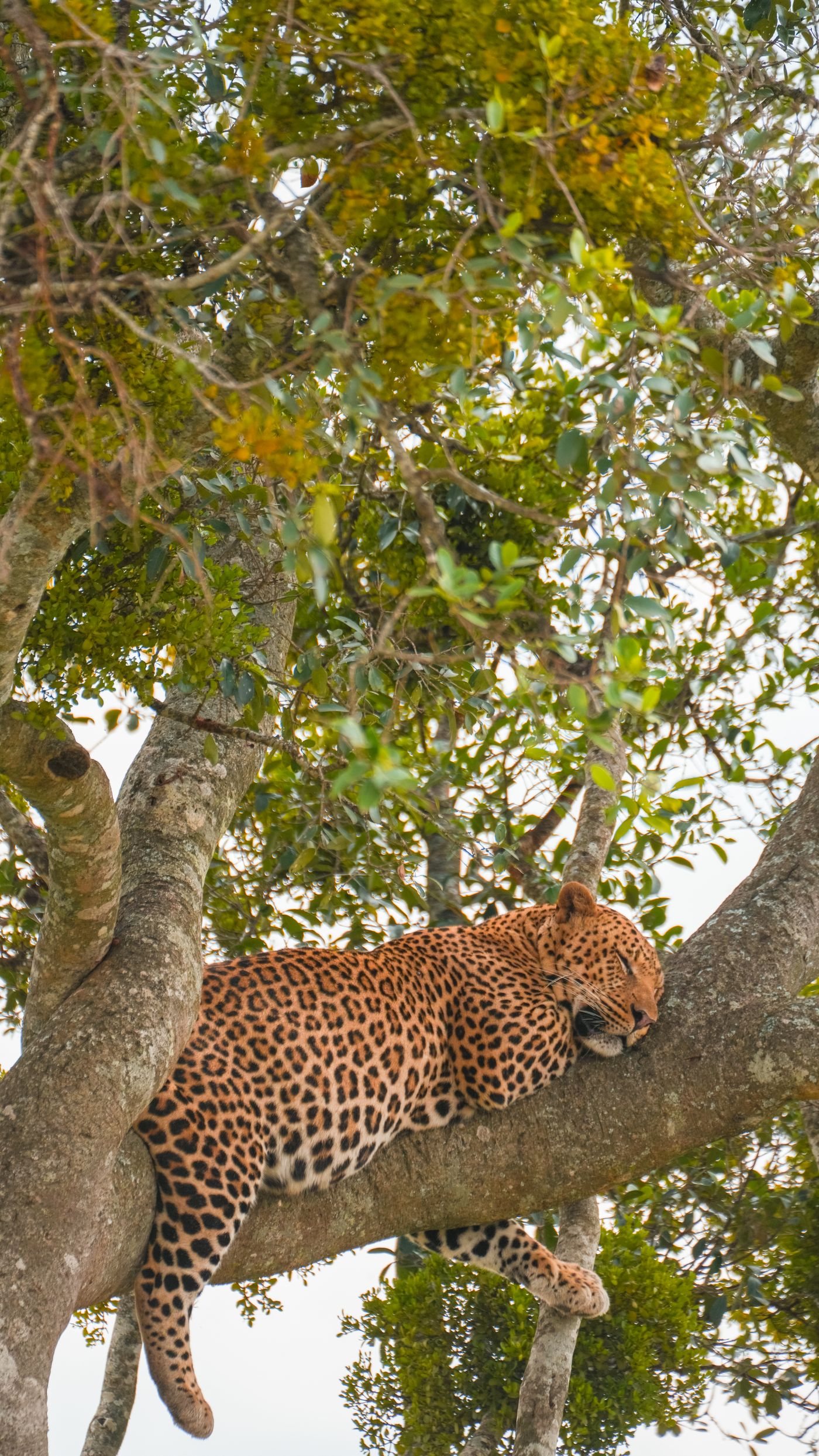
Why conservancies beat the Reserve
- Far fewer vehicles. Conservancies hold game-drive cars to a fixed ratio, so a sighting is shared with two or three vehicles. A river crossing in the Reserve can draw fifty.
- Off-road driving. Permitted in conservancies and banned in the Reserve. It decides whether you watch a leopard from the track or follow it into cover.
- Night drives and walking safaris. Both are conservancy-only.
- The fee is a lease payment. The nightly conservancy fee goes to the Maasai families who own the land.
The wildlife is the same, because the herds move freely across the unfenced boundary. For most readers a conservancy camp at US$1,000–1,800 a night delivers more than a Reserve lodge at the same price. Mara North and Naboisho are the two to start with. The ten-day luxury Kenya itinerary spends every safari night in a conservancy and shows how the days run.
A worked seven-night luxury itinerary
Below is a representative seven-night, fly-in itinerary for two people sharing in peak season: three nights in a Mara private conservancy, three in a luxury camp beside the Reserve, and a night either side in Nairobi. It excludes international flights and includes everything on the ground.
Sample seven-night Kenya trip · per person
Swap the conservancy camp for a lower tier and the total slides towards US$8,000; add a private vehicle, a helicopter transfer or a third region and it passes US$14,000.
A published trip to hold the sum against: Extraordinary Journeys’ ten-day Extraordinary Kenya safari starts at US$12,000 a person for nine nights across Nairobi, Ol Pejeta, the Olderkesi Conservancy and Mara North, with a private vehicle on game drives. That is about US$1,330 a person a night across the whole trip, in the same range as the worked total above.
The master safari cost guide sets these figures against the rest of Africa.
Costs most quotes leave out
The nightly rate is rarely the whole bill. Five items catch travellers out.
- Internal flights. Kenya’s premium camps are fly-in. Light-aircraft seats on SafariLink or AirKenya run roughly US$200–330 per person each way between Nairobi and the Mara; Amboseli and Laikipia cost more. For a private charter between camps, see the Kenya private safari charter guide.
- The KWSPay cashless system. KWS parks no longer take cash. Fees are paid through eCitizen and KWSPay, usually by your operator. Confirm it is handled, or you will be stopped at the gate.
- Tips. Budget roughly US$20–30 per guest per day for your guide and US$10–15 for camp staff. Over a week that is US$250–350 per person.
- Travel insurance. A fly-in safari puts you hours from a hospital, so the policy needs emergency medical evacuation, not only cancellation cover. Check the remote-area wording before you buy.
- The extras. A dawn balloon flight over the Mara is around US$450–500 per person; you can book a Maasai Mara balloon safari on GetYourGuide to fix the price and slot before you arrive.
Ways to bring the price down
A Kenya safari’s cost can move by thousands without a drop in standard.
- Travel in the green season, January to March. Reserve fees halve to US$100 a day and lodge rates fall 20–40%. The land is green, the calving draws predators and there are few other vehicles. The best time for a Kenya safari and why safaris cost what they do cover the seasons in detail.
- Fill a vehicle of four. A private vehicle and guide are priced per car, not per head, so four travellers split what two would pay. Many camps reduce single supplements for a full booking.
- Weigh Kenya against its neighbours. On some trips Tanzania or South Africa costs less for a comparable standard. The Kenya, Tanzania and South Africa comparison and the Tanzania safari cost breakdown set the numbers side by side.
- Check the operator before you pay. The operator-verification guide lists what to ask for, and the safari planner index scores the planners on what they publish.
Two smaller ones. A local eSIM keeps you off roaming rates and lets camps and pilots reach you between flights; see the Africa safari eSIM guide. And for what the money buys in the field, the guide to what you will see on safari sets expectations by region and season.
Our safari partner
Want the trip priced for your dates? Extraordinary Journeys plans private Kenya safaris from US$10,000 a person and will cost a conservancy-and-Mara route to your budget.
Enquire with Extraordinary Journeys →Read the review first →Extraordinary Journeys’ score is set on the same published criteria as every safari planner’s.